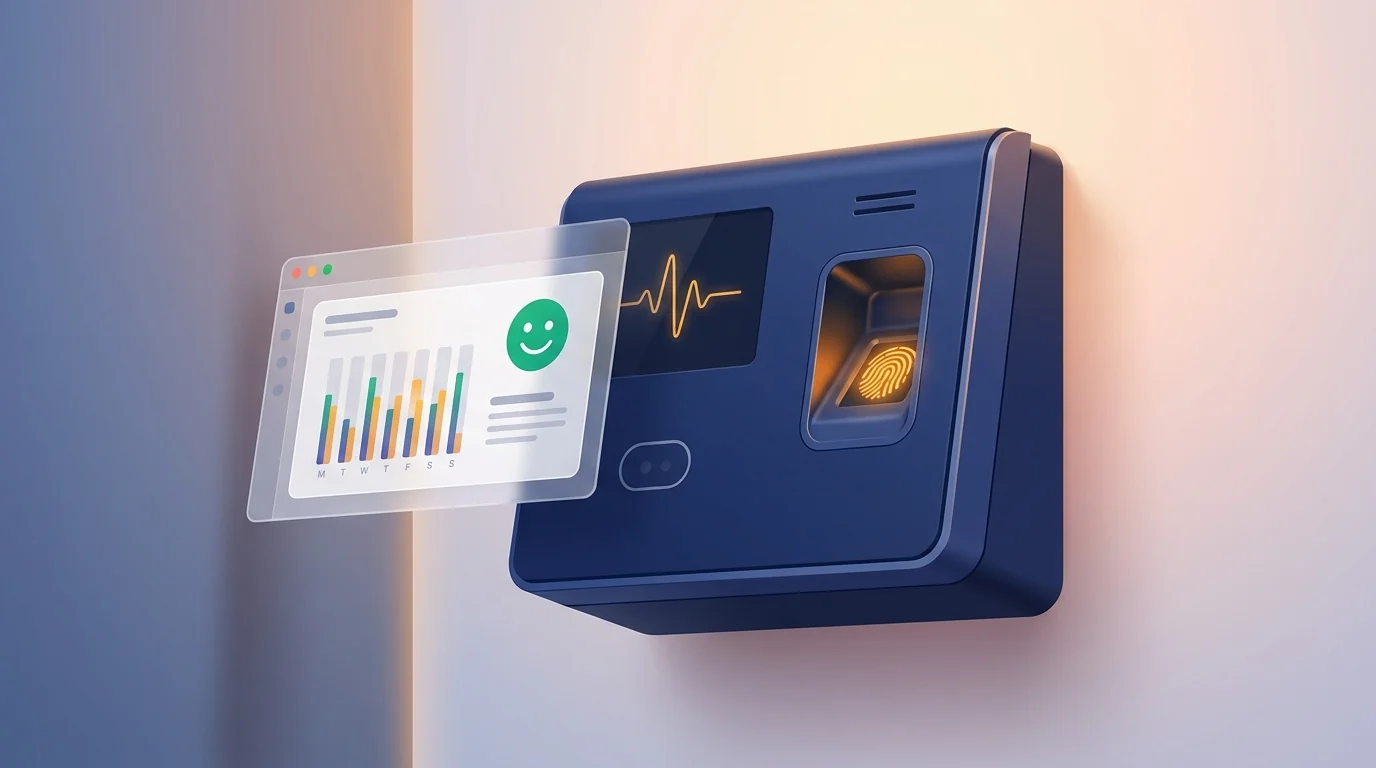
Not every time-tracking system solves the same problem. Some just record hours. Others truly help achieve compliance, organize operations and provide visibility over working days, incidents, remote work and clock-in evidence.
In this SEO-optimized version we have reorganized the information so you can quickly identify the impact of Time Tracking on operations, the decisions you need to make, and how a platform like Dokuflex can help you move from theory to execution.
Key points to review from the start
The difference starts with record reliability and the ability to adapt to real-world scenarios.
- A consistent, traceable record, ready for audit or inspection.
- Support for on-site, remote and hybrid work without duplicating tools.
- Ease of use for employees, managers and back office.
How to bring it into operations without friction
Integration with absences, calendars, incidents and working-day reporting also matters.
- Link clock-ins with vacations, leaves and operational exceptions.
- Enable alerts and rules to detect non-compliance or errors.
- Connect the system with HR and with validation processes when needed.
Where Dokuflex fits in
Dokuflex takes time tracking a step further by integrating it into workflows, document management and internal control.
- More context to interpret the working day and less manual management.
- Better experience for distributed or mobile teams.
- Greater governance over compliance and evidence.
Turn this need into a measurable process
Dokuflex combines BPM Low-Code, document management, digital signature, integrations and AI to help you automate processes with control, traceability and the ability to evolve.
Frequently asked questions
What should a company review when choosing a clock-in system
Compliance, ease of use, traceability, mobility and integration with the rest of HR and operations processes.
Does the same system work for office and remote work
Yes, as long as it is designed for hybrid scenarios and not only for the traditional physical workplace.
Related articles
View all
New Time-Tracking Rules in Spain: Changes and Obligations from 2025
Summary of the regulatory changes affecting time tracking and how to prepare processes, systems and internal policies.

How to implement BPM Low-Code with AI in your company without complicating operations
Practical guide to launching a BPM Low-Code with AI project with focus, realistic scope and measurable results from phase one.
7 advantages of BPM Low-Code with AI for companies that want to automate better
Summary of the most tangible benefits of BPM Low-Code with AI when the company aims to automate with more speed, control and adaptability.