
Implementing BPM Low-Code with AI should not turn into a long, expensive project that is hard to govern. The key is to start with a specific process, a clear goal, and a platform able to connect business, IT and operations with a single logic.
In this SEO-optimised version we have reorganised the information so you can quickly identify BPM's operational impact, the decisions you need to make, and how a platform like Dokuflex can help you move from theory to execution.
Key points to review from the start
Before automating, validate that the process has real impact and that the scope of the first release is manageable.
- Select a repetitive, cross-departmental process with visible friction for the business.
- Define time, control, quality and traceability goals before discussing screens.
- Avoid automating everything at once; start with a first functional release.
How to roll it out without friction
Once the process is chosen, rollout must come down to rules, forms, owners and integrations with real data.
- Model the workflow with stages, exceptions, approvals and clear SLAs.
- Connect ERP, CRM, email, signature or document repositories to avoid silos.
- Apply AI where it adds operational value: classification, extraction, summary or contextual help.
Where Dokuflex fits
Dokuflex helps you deploy that first process quickly, with a foundation solid enough to scale later without reworking operations.
- Full visibility of process status and bottlenecks.
- Less reliance on long development cycles to tune forms, rules and approvals.
- A common base so business and IT can evolve the flow with control.
Turn this need into a measurable process
Dokuflex combines BPM Low-Code, document management, digital signature, integrations and AI to help you automate processes with control, traceability and room to evolve.
Frequently asked questions
Which process should you pick to start with
The best candidate is usually a repetitive, high-volume process with cross-department impact, such as approvals, procurement, incidents, onboarding or internal requests.
Where does AI fit in a BPM project
AI fits where it accelerates specific tasks, for example classifying documents, extracting data, summarising incidents or assisting the user inside the flow.
Related articles
View all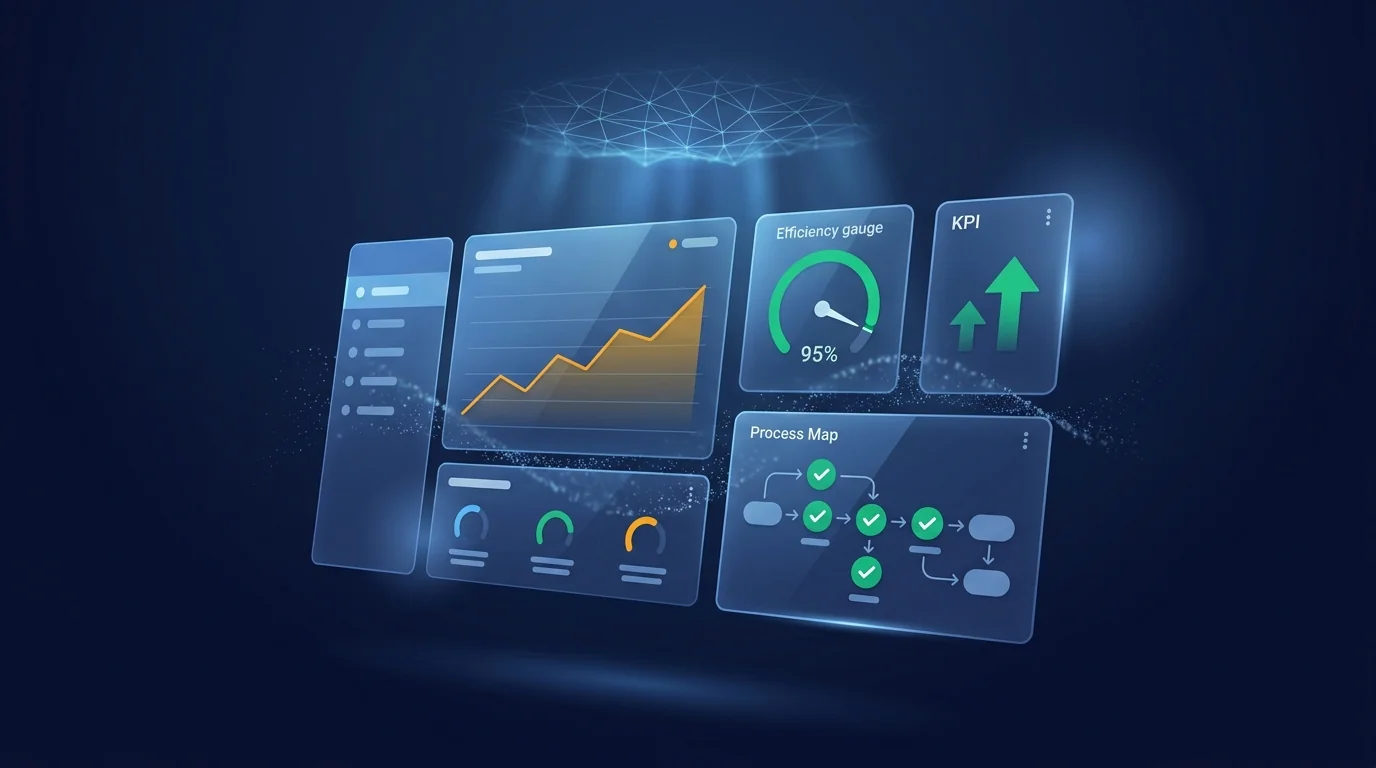
7 advantages of BPM Low-Code with AI for companies that want to automate better
Summary of the most tangible benefits of BPM Low-Code with AI when the company wants to automate faster, with more control and adaptability.
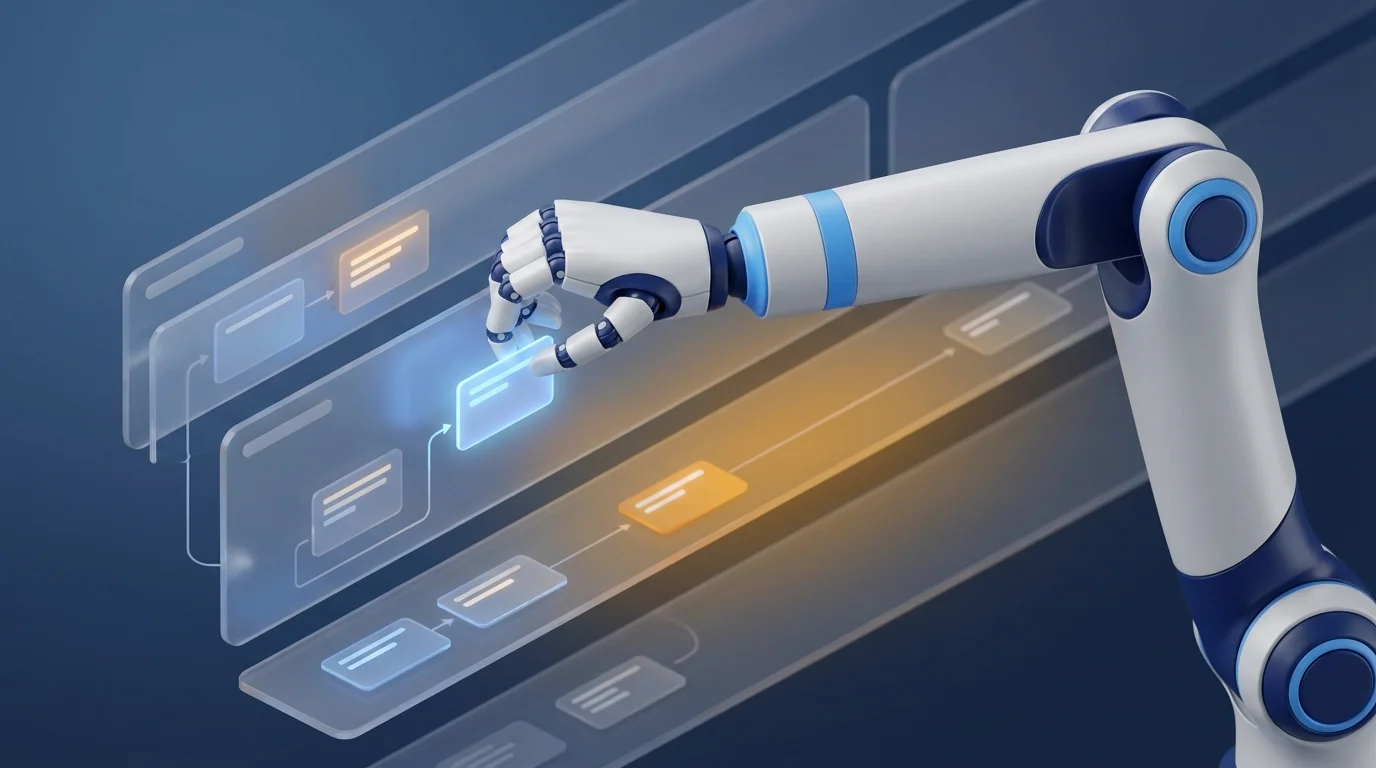
How Robotic Process Automation (RPA) complements BPM solutions
Why BPM and RPA are not competitors, and how they complement each other when a company wants to automate processes end to end.

5 Reasons to Eliminate Paper in Your Company with BPM Solutions
Five reasons to move from paper case files to digital processes with traceability, document control and fewer delays.