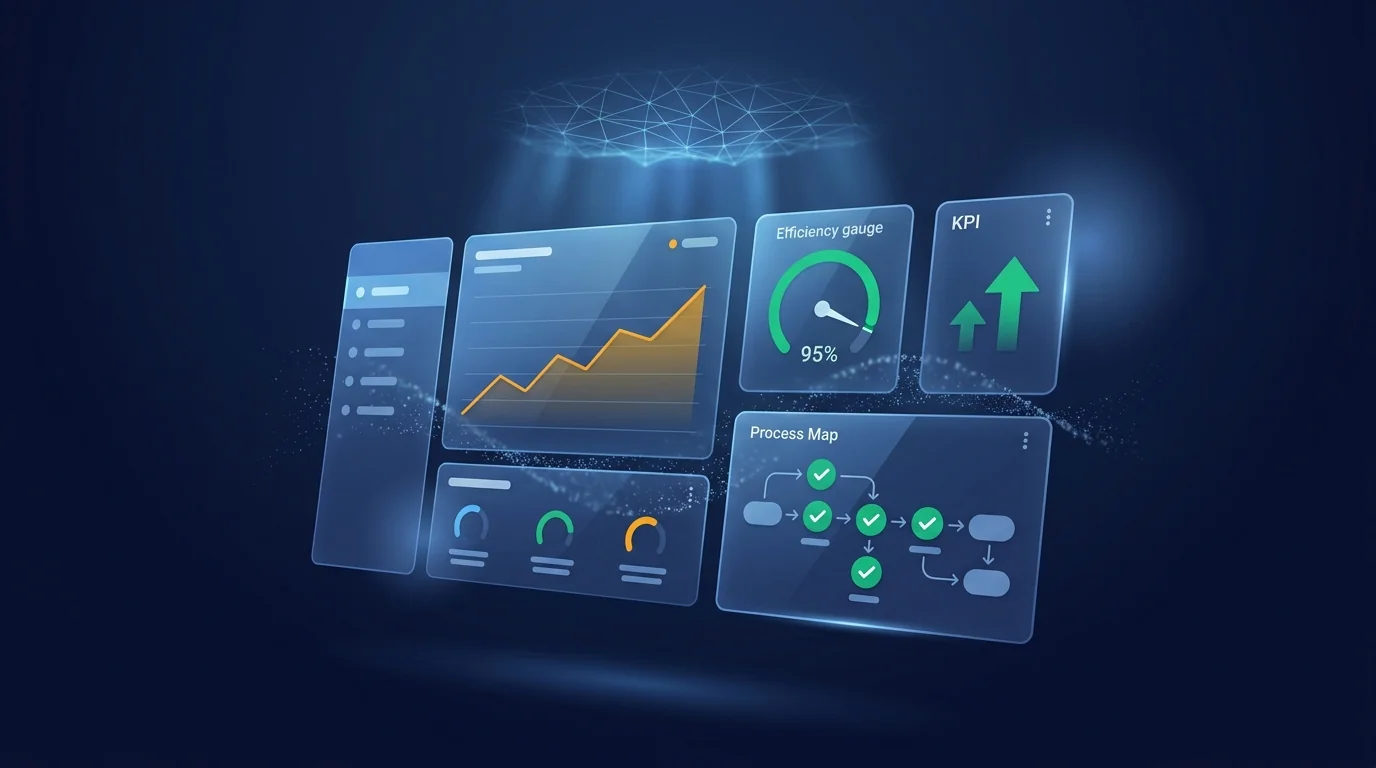
Talking about BPM Low-Code with AI only makes sense if it translates into visible results. Companies that automate better not only run faster; they also gain traceability, adaptability and a more organized way to evolve processes.
In this SEO-optimized version we have reorganized the information so you can quickly identify the impact of BPM on operations, the decisions you need to make, and how a platform like Dokuflex can help you move from theory to execution.
Key points to review from the start
The first advantage is speed with governance. Low-Code enables configuration without depending on long cycles, and BPM provides structure and control.
- Lower time-to-value for new workflows and operational adjustments.
- More autonomy for the business without breaking process coherence.
- Greater traceability in decisions, approvals and evidence.
How to bring it into operations without friction
AI amplifies that model when it is used to remove friction in specific tasks rather than as a decorative layer.
- Automatic data extraction to reduce manual workload.
- Classification and prioritization of incoming incidents or documents.
- Contextual assistance to speed up validations and reviews.
Where Dokuflex fits in
With Dokuflex, the combination of BPM, Low-Code, document management, digital signature and integrations ensures the impact is operational, not theoretical.
- More flexible automation that adapts to process changes.
- Fewer errors from repetitive manual tasks and fewer blind spots.
- Ability to grow by use case without creating isolated tools.
Turn this need into a measurable process
Dokuflex combines BPM Low-Code, document management, digital signature, integrations and AI to help you automate processes with control, traceability and the ability to evolve.
Frequently asked questions
What is the difference between BPM Low-Code and a standalone app
A standalone app solves a single task. BPM Low-Code organizes the full process, connecting roles, rules, documents and integrations end to end.
Does AI replace the workflow
No. The workflow still drives the process logic. AI helps to execute specific tasks better within that logic.
Related articles
View all
How to implement BPM Low-Code with AI in your company without complicating operations
Practical guide to launching a BPM Low-Code with AI project with focus, realistic scope and measurable results from phase one.
How Robotic Process Automation (RPA) complements BPM solutions
Why BPM and RPA do not compete with each other and how they complement each other when the company seeks end-to-end process automation.

5 Reasons to Eliminate Paper Use in Your Company with BPM Solutions
Five reasons to move from paper files to digital processes with traceability, document control and fewer delays.