
Low-Code has moved from experimental trend to a real option when the company needs to roll out processes, forms and interfaces with less dependency on custom development. The key is choosing solutions with real process and integration capabilities.
In this SEO-optimized version we have reorganized the information so you can quickly identify the impact of Low-Code on operations, the decisions you need to make, and how a platform like Dokuflex can help you move from theory to execution.
Key points to review from the start
Before deciding, look beyond configuration speed and review operational fit.
- Ability to model processes and not just forms or screens.
- Integrations with ERP, CRM, digital signature, document management and corporate services.
- Enough governance to scale without losing control.
How to bring it into operations without friction
A Low-Code solution adds value when it helps business and IT work on the same platform.
- Prioritize use cases with visible impact and many manual tasks.
- Define rules and roles from the start to avoid superficial automations.
- Measure times, incidents and adoption to justify the next phases.
Where Dokuflex fits in
Dokuflex combines Low-Code with BPM, document management and AI so deployment has real scope.
- Faster launch of new processes or adaptation of existing ones.
- Less friction between areas by working on a common foundation.
- Greater ability to evolve automation without rebuilding everything.
Turn this need into a measurable process
Dokuflex combines BPM Low-Code, document management, digital signature, integrations and AI to help you automate processes with control, traceability and the ability to evolve.
Frequently asked questions
Is Low-Code only for large companies
No. It also fits mid-sized companies that need to automate quickly without taking on long custom development projects.
Can it coexist with already-deployed systems
Yes. In fact, one of its biggest advantages is acting as a flexible layer on top of ERP, CRM and other existing tools.
Related articles
View all
How to implement BPM Low-Code with AI in your company without complicating operations
Practical guide to launching a BPM Low-Code with AI project with focus, realistic scope and measurable results from phase one.

7 advantages of BPM Low-Code with AI for companies that want to automate better
Summary of the most tangible benefits of BPM Low-Code with AI when the company aims to automate with more speed, control and adaptability.
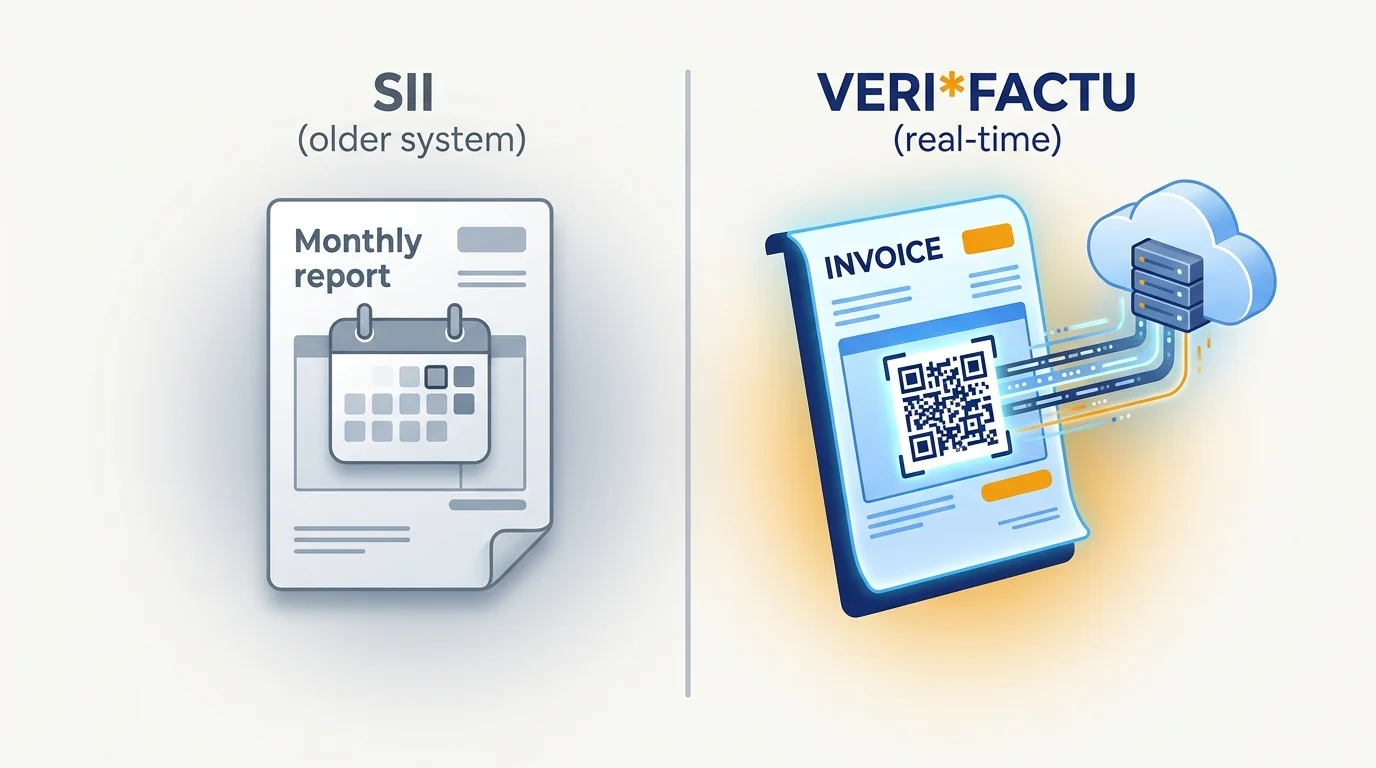
VERI*FACTU vs SII: key differences
A clear comparison between VERI*FACTU and SII to understand scope, obligations and what each company needs to comply without duplication.