
Continuing to depend on paper means more lost time, less traceability and more difficulty working with distributed teams. BPM solutions turn documents, approvals and forms into much more controllable digital processes.
In this SEO-optimised version we have reorganised the information so you can quickly identify BPM's operational impact, the decisions you need to make, and how a platform like Dokuflex can help you move from theory to execution.
Key points to review from the start
The first benefit is operational: fewer waits, fewer errors and less dependence on physical movements.
- Faster access to case files and less time searching for information.
- Fewer transcription errors and fewer misaligned versions.
- Easier collaboration between departments or sites.
How to roll it out without friction
The second block is about control: once a document enters the workflow, it is no longer a loose piece.
- Links every document to a task, owner, date and status.
- Automates validations, approvals and alerts without moving physical folders.
- Preserves evidence and traceability across the full life cycle.
Where Dokuflex fits
Dokuflex helps you eliminate paper without losing context, because it combines BPM, forms, document management and integrations.
- More visibility on bottlenecks and more ability to measure times.
- Less reliance on email and attachments to progress the case file.
- A better foundation for audit, quality or compliance.
Turn this need into a measurable process
Dokuflex combines BPM Low-Code, document management, digital signature, integrations and AI to help you automate processes with control, traceability and room to evolve.
Frequently asked questions
Does eliminating paper mean changing every process
No. The recommended approach is to start with case files that have high friction or high volume and scale from there.
Is digitisation without BPM enough
Scanning or storing PDFs is not enough. Value appears when the document is part of a process with rules, owners and follow-up.
Related articles
View all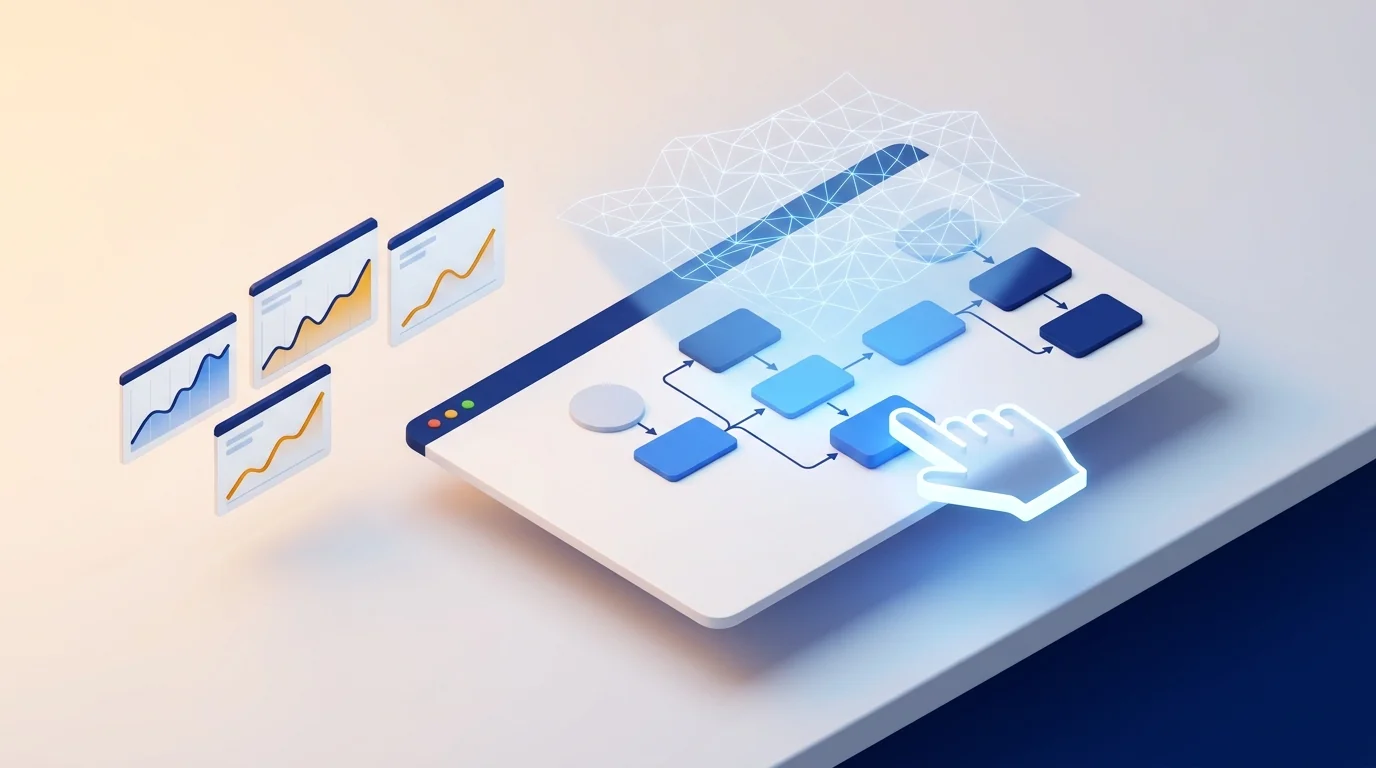
How to implement BPM Low-Code with AI in your company without complicating operations
Practical guide to launching a BPM Low-Code with AI project with focus, realistic scope and measurable results from phase one.
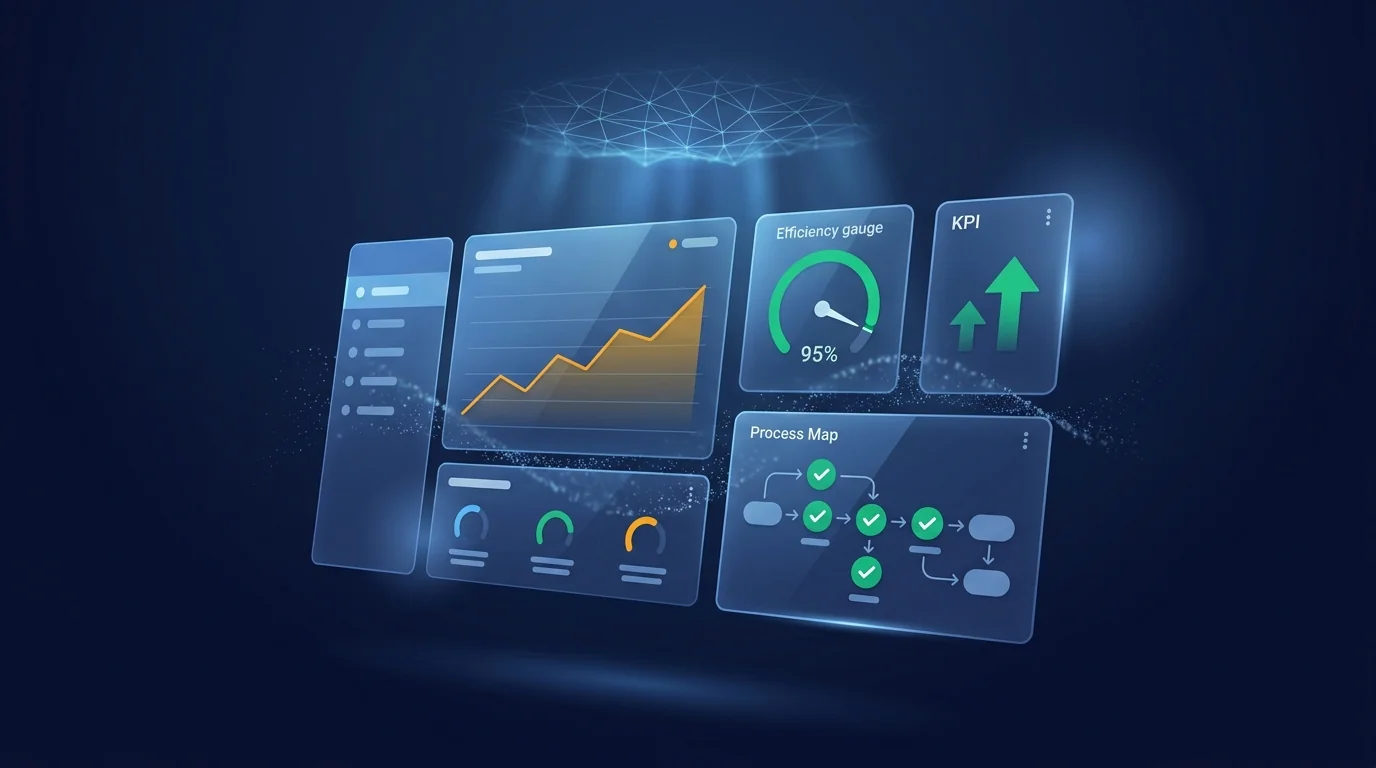
7 advantages of BPM Low-Code with AI for companies that want to automate better
Summary of the most tangible benefits of BPM Low-Code with AI when the company wants to automate faster, with more control and adaptability.
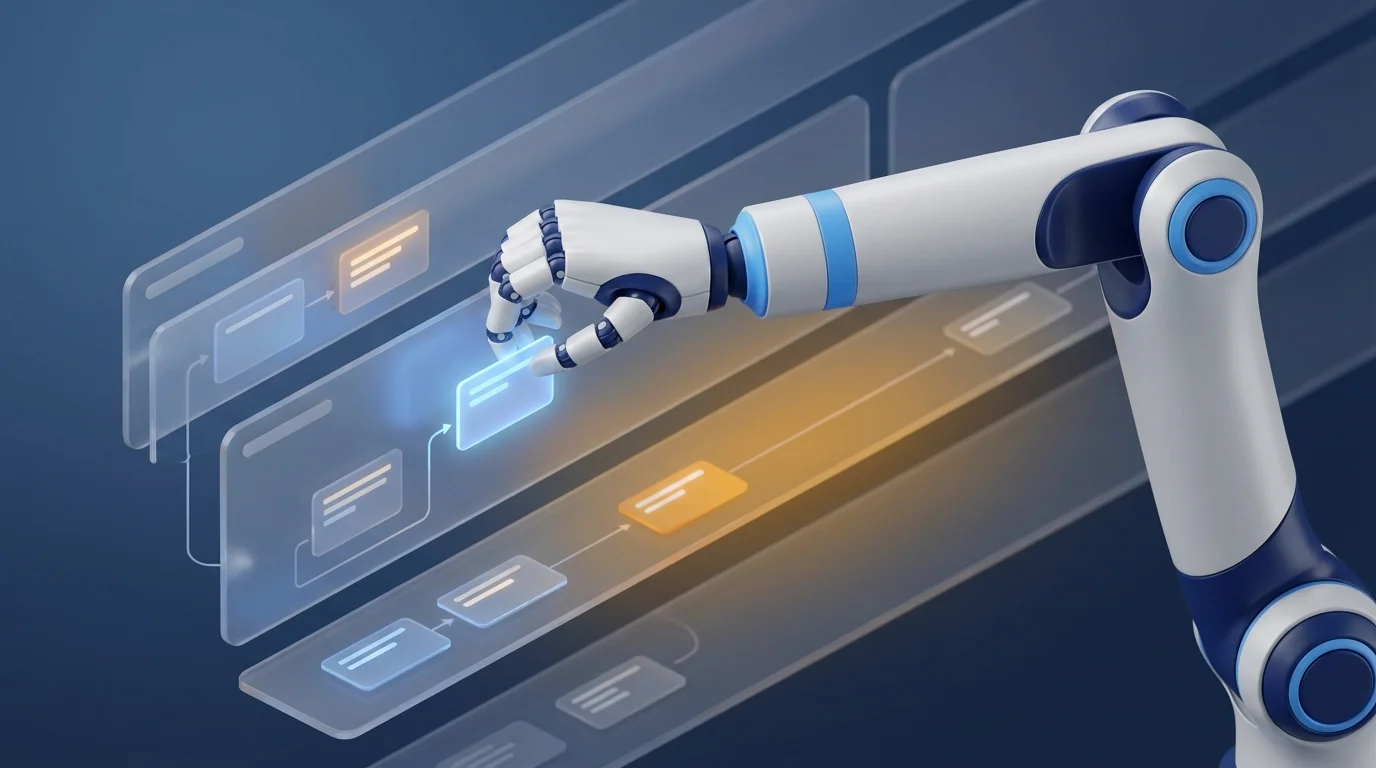
How Robotic Process Automation (RPA) complements BPM solutions
Why BPM and RPA are not competitors, and how they complement each other when a company wants to automate processes end to end.