
Adapting the ERP to VERI*FACTU (the Spanish AEAT billing regulation) requires more than a technical upgrade. You have to review how billing data flows, which validations run, who approves, where evidence is archived, and how traceability is preserved for every event.
In this SEO-optimised version we have reorganised the information so you can quickly identify VERI*FACTU's operational impact, the decisions you need to make, and how a platform like Dokuflex can help you move from theory to execution.
Key points to review from the start
The starting point is mapping the real invoice circuit and detecting where integrity risks or rework appear.
- Analyse the source of the data, validations, approvals and outputs to AEAT (the Spanish tax authority).
- Detect manual steps, exports and changes made outside the main flow.
- Prioritise the points where the ERP needs support from workflow or document management.
How to roll it out without friction
The adaptation is usually safer when process logic is decoupled from the most invasive ERP changes.
- Create an orchestration layer for validations, approvals and incidents.
- Integrate archiving, signature and document control to keep complete evidence.
- Monitor statuses and exceptions to act before the error reaches closing.
ERP and CRM aligned: the full data chain
VERI*FACTU does not impact the ERP alone: it affects the full data chain — sales opportunity, order, invoice, evidence and archive. If the ERP and CRM are not aligned, duplications, manual validations and traceability errors appear that complicate compliance.
- Determine which system owns the master data (customer, terms) and which one triggers invoice issuance.
- Ensure consistency across customer, order, invoice and associated supporting documents, without manual uploads that break the trail between sales and administration.
- Monitor ERP↔CRM integration errors so you can act before they affect closing or the invoicing record.
In practice, the question "which system should lead?" depends on the scenario, but the rule is always the same: it must be clear where each piece of data is born and how it propagates without duplication. An intermediate workflow and integration layer — like the one described in ERP, CRM and API integrations — usually avoids invasive development on the core.
Where Dokuflex fits
Dokuflex acts as that process and integration layer to organise operations around the ERP.
- Lower risk of over-modifying the ERP core.
- More agility to change rules or circuits without depending on lengthy development cycles.
- Centralised visibility of records, tasks and linked documents.
Turn this need into a measurable process
Dokuflex combines BPM Low-Code, document management, digital signature, integrations and AI to help you automate processes with control, traceability and room to evolve.
Frequently asked questions
Should VERI*FACTU be handled only inside the ERP
It depends on the ERP and the level of flexibility available. In many scenarios it is more efficient to combine the ERP with a workflow and integration layer.
Which area should lead the adaptation
Finance, IT and operations must work together. VERI*FACTU impacts software, process, control and evidence.
Related articles
View all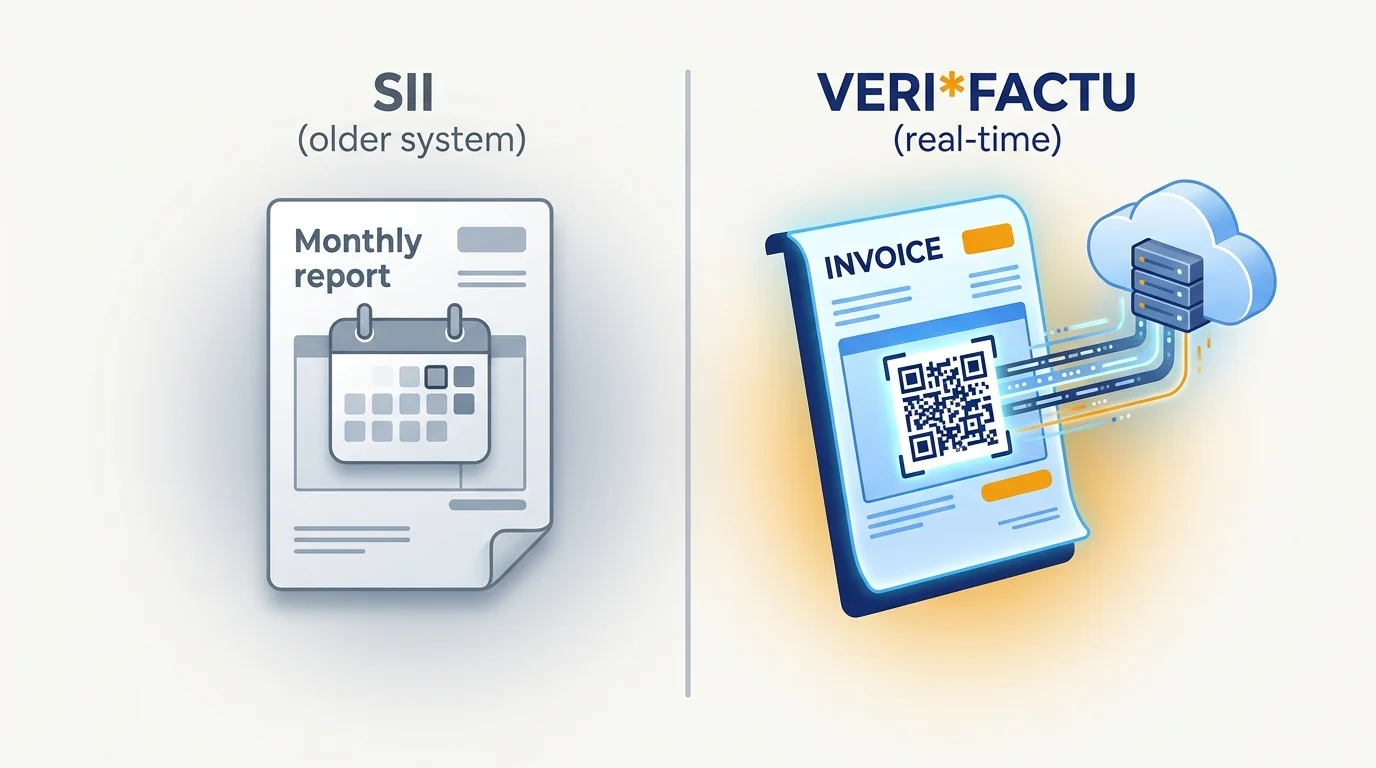
VERI*FACTU vs SII: key differences
Clear comparison between VERI*FACTU and SII to understand scope, obligations and what each company needs to comply with no overlaps.
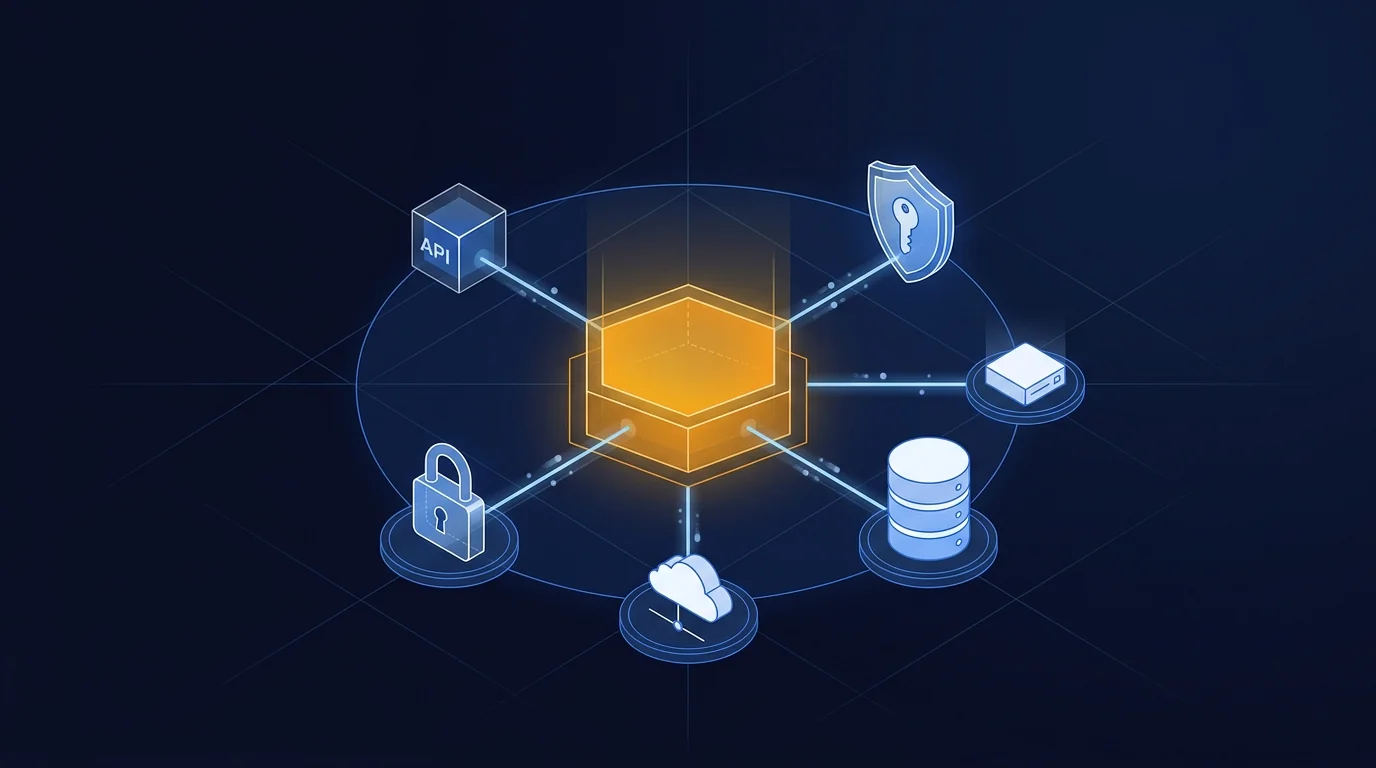
Technical requirements of VERI*FACTU
Summary of the technical requirements your billing software must cover to comply with VERI*FACTU without integrity or audit gaps.

VERI*FACTU software compatible with the AEAT
What a VERI*FACTU-compatible software actually needs in practice to meet registration, evidence and integration requirements.